
Colour Matching Standard Lamps for Accurate Textile Shade Evaluation

Getting a shade wrong after a bulk dye lot has already been cut and stitched is one of the most expensive mistakes a textile unit can make. A colour matching standard lamp removes the guesswork by letting inspectors view a sample under the same standard light every single time, so a shade passed in Bengaluru looks the same when it’s checked in Mumbai, Milan, or New York. Amith Garment Services supplies colour matching standard lamps and light cabinets built around internationally recognised illuminants, for buying houses, dyeing units, and quality control laboratories across India.
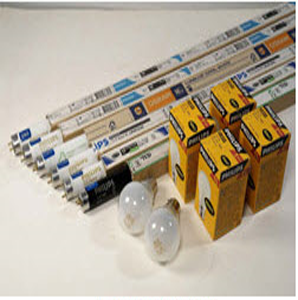
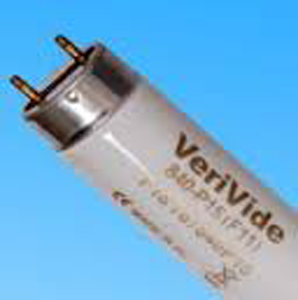
We offer various standard lamps from Philips/GE/Macbeth/verivide for color matching in textiles like fibre/yarn/fabric/garment and any kind of garment accessories.These lamps meet CIE specifications and offer lux levels and CRI index as per standards.
Lamps offered are :
D75: A bluish colored light source originally used for grading cotton & their evaluation applications. It offers 7500K.
D65: A light bluish colored light source used in color matching applications of paints,textiles,raw inks and other manufactured products. It offers 6500K.
D50: A near white light source used in the evaluation of graphic arts and imaging applications. It offers 5000K.
Ultra violet: Light energy not normally visible to human eye, but which is present in natural daylight.
Cool White Fluorescent (CWF) – A wide band single phosphor fluorescent source commonly used in commercial lighting applications . It is characterized by emitting high amounts of green energy, with a color temperature of approximately 4100K. It has a CRI or approximately 62.
TL84 – A narrow band tri-phosphor fluorescent source originally designed for commercial lighting applications . It is characterized by emitting high amounts of green energy, with a color temperature of approximately 4100K. It has a CRI of approximately 86.
TL830 – A narrow band tri-phosphor fluorescent source originally designed for commercial lighting applications . It is characterized by emitting high amounts of yellowish red energy, with a color temperature of approximately 3000K. It has a CRI of approximately 86.
Ultralume 30 (U30 or 30U) – A narrow band tri-phosphor fluorescent source originally designed for commercial lighting applications . It is characterized by emitting high amounts of yellowish red energy with a color temperature of approximately 3000K. It has a CRI of approximately 85.
Ultralume 35 (U35 or 35U) – A narrow band tri-phosphor fluorescent source originally designed for commercial lighting applications . It is characterized by emitting high amounts of reddish yellow energy with a color temperature of approximately 3500K. It has a CRI of approximately 85.
Illuminant A – is a standardized illuminant described in the international standard, CIE Publication 15.2 and specified for use in color matching applications in ASTM D1729-96.It offers 2865 K
Horizon – Reddish in color source described in older specification and used for color matching applications.It offers 2300K.
Frequently Asked Questions:
1. What is a colour matching standard lamp?
A colour matching standard lamp is an enclosed viewing cabinet fitted with multiple calibrated light sources. It is used to visually compare fabric, yarn, garments, leather, plastics, and other materials against a colour standard under controlled and repeatable lighting conditions.
2. Why is D65 light important?
D65 simulates average daylight at 6500K and is the primary reference illuminant used worldwide for textile, paint, ink, and plastic colour matching. It ensures consistent shade evaluation across different factories and laboratories.
3. What is metamerism?
Metamerism occurs when two colour samples appear identical under one light source but different under another. Evaluating samples under multiple standard illuminants helps detect these colour differences before production or shipment.
4. How many light sources are recommended?
Most textile quality control laboratories use at least D65, TL84, and UV. Export-oriented manufacturers often add CWF, U30, or Horizon to meet the colour evaluation requirements of international buyers.
5. Which industries use colour matching cabinets?
Colour matching cabinets are widely used in the textile, garment, dyeing, printing, leather, plastics, paint, packaging, automotive, and footwear industries to maintain colour consistency and quality standards.
6. How often should lamps be replaced?
Lamps should be replaced when their brightness noticeably declines or after reaching the manufacturer's recommended operating hours. Reduced brightness can affect colour perception even if the lamp is still functioning.
7. Which international standards apply?
Commonly followed standards include ASTM D1729, ISO 3664, AATCC Evaluation Procedures, BS 950, and CIE Standard Illuminants for reliable and repeatable colour assessment.
8. Why is UV light used in colour matching?
UV light helps identify optical brightening agents (OBAs) and fluorescent finishes that are not visible under normal lighting, ensuring accurate quality inspection.
9. Can it be used outside the textile industry?
Yes. Colour matching cabinets are also widely used in the leather, paint, plastics, packaging, printing, and automotive industries wherever precise colour matching and quality control are essential.
10. How do I choose the right model?
Select a model based on the illuminants required by your buyers, laboratory size, testing volume, and future compliance needs. A cabinet with expandable light source options provides greater flexibility as quality requirements evolve.