
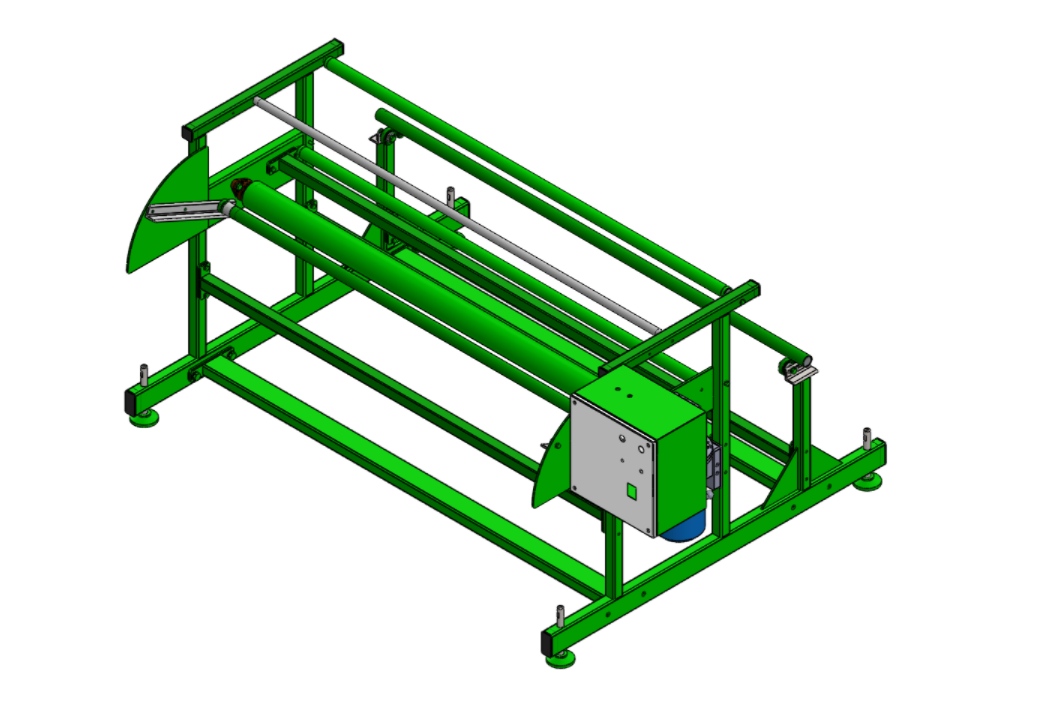
The textile manufacturing industry depends on precision, efficiency, and quality at every production stage. One essential piece of equipment that improves productivity and fabric handling is the Fabric Rolling Machine. Whether you are a textile manufacturer, garment exporter, dyeing unit, or fabric inspection facility, investing in a reliable fabric rolling machine helps maintain fabric quality while reducing manual labor.
In this guide, we’ll explain how fabric rolling machines work, their benefits, applications, different types, and how to select the right machine for your textile business.
What is a Fabric Rolling Machine?
A Fabric Rolling Machine is a textile handling machine designed to rewind, roll, fold, inspect, or measure fabrics into neat and uniform rolls. It ensures proper fabric storage, transportation, and preparation before cutting or further processing.
The machine is widely used in:
- Textile Mills
- Garment Manufacturing Units
- Fabric Inspection Centers
- Dyeing & Printing Industries
- Fabric Warehouses
- Export Houses
Proper rolling prevents wrinkles, fabric damage, and uneven tension while improving production efficiency.
How Does a Fabric Rolling Machine Work?
A textile fabric rolling machine works using motor-driven rollers that pull fabric evenly under controlled tension.
The general process includes:
- Fabric is loaded onto the feeding side.
- Rollers guide the fabric smoothly.
- Operators inspect the fabric during rolling.
- The machine rewinds fabric into a compact roll.
- Finished rolls are ready for storage or dispatch.
Modern machines may also include:
- Fabric length measurement
- Edge alignment
- Variable speed control
- Digital meter counter
- Automatic tension adjustment
Types of Fabric Rolling Machines
1. Manual Fabric Rolling Machine
Suitable for small textile businesses with limited production.
Advantages
- Affordable
- Easy operation
- Low maintenance
2. Semi-Automatic Fabric Rolling Machine
Ideal for medium-scale textile industries.
Features include:
- Motorized rolling
- Fabric measuring system
- Adjustable speed
3. Automatic Fabric Rolling Machine
Used in large-scale textile manufacturing plants.
Benefits include:
- High production speed
- Consistent fabric tension
- Digital controls
- Reduced labor costs
4. Fabric Inspection and Rolling Machine
This machine combines inspection and rolling into one process.
It allows operators to:
- Detect weaving defects
- Identify stains
- Measure fabric length
- Roll fabric simultaneously
Key Features of a Modern Fabric Rolling Machine
A quality Fabric Rolling Machine generally includes:
- Heavy-duty steel construction
- Digital length counter
- Adjustable rolling speed
- Fabric edge alignment
- Smooth tension control
- Low power consumption
- Durable rollers
- Easy maintenance
- User-friendly controls
- High production efficiency
Benefits of Using a Fabric Rolling Machine
Improves Productivity
Automated rolling significantly reduces manual handling and saves production time.
Better Fabric Quality
Uniform rolling prevents wrinkles, folds, and edge damage.
Accurate Fabric Measurement
Integrated measuring systems help reduce material wastage.
Reduces Labor Costs
Automation minimizes manpower requirements while increasing output.
Faster Fabric Inspection
Inspection models allow defects to be identified before dispatch.
Organized Storage
Neatly rolled fabrics are easier to transport and store.
Applications of Fabric Rolling Machines
A Textile Fabric Rolling Machine is widely used in:
- Cotton Fabric Industry
- Denim Manufacturing
- Knitted Fabric Units
- Woven Fabric Processing
- Technical Textile Production
- Home Textile Industry
- Apparel Manufacturing
- Textile Export Companies
- Dyeing Houses
- Printing Units
Industries That Need Fabric Rolling Machines
Many industries rely on efficient fabric handling equipment.
These include:
- Garment Factories
- Textile Mills
- Fabric Traders
- Fabric Inspection Centers
- Upholstery Manufacturers
- Medical Textile Companies
- Automotive Textile Manufacturers
- Industrial Fabric Producers
Factors to Consider Before Buying a Fabric Rolling Machine
Before purchasing, evaluate the following:
Fabric Type
Choose a machine compatible with woven, knitted, denim, silk, polyester, or technical fabrics.
Fabric Width
Ensure the machine supports your maximum fabric width.
Machine Speed
Higher production facilities require faster rolling speeds.
Tension Control
Proper tension prevents stretching and fabric distortion.
Digital Features
Look for:
- Meter counter
- Length measurement
- Speed adjustment
- Automatic stop
Build Quality
Heavy-duty machines provide longer service life and better performance.
Maintenance Tips
To maximize machine life:
- Clean rollers daily.
- Lubricate moving parts regularly.
- Inspect belts and motors.
- Calibrate measuring systems.
- Keep sensors dust-free.
- Replace worn rollers promptly.
Routine maintenance improves accuracy and reduces downtime.
Why Choose Amith Garment Services?
At Amith Garment Services, we supply high-quality textile testing and fabric handling equipment designed for reliability, precision, and long-term performance.
Our advantages include:
- Premium quality machinery
- Competitive pricing
- Expert technical support
- Reliable after-sales service
- Fast delivery across India
- Machines suitable for garment, textile, and export industries
We are committed to helping textile manufacturers improve productivity with dependable textile machinery solutions.
Conclusion
A Fabric Rolling Machine is an essential investment for textile manufacturers aiming to improve efficiency, reduce fabric damage, and streamline production. Whether you operate a small garment unit or a large textile mill, selecting the right rolling machine can significantly enhance workflow, product quality, and operational efficiency.
Choosing a trusted supplier ensures long-term performance, technical support, and excellent return on investment.
Frequently Asked Questions
A Fabric Rolling Machine is designed to roll, rewind, measure, and organize fabric efficiently before inspection, cutting, storage, or dispatch. It ensures neat fabric rolls, improves handling, minimizes wrinkles, and increases productivity in textile and garment manufacturing.
Fabric Rolling Machines are widely used in textile mills, garment manufacturing units, dyeing and finishing plants, fabric inspection centers, exporters, buying houses, and fabric warehouses. They help streamline fabric handling while maintaining quality throughout the production process.
Yes. Many modern Fabric Inspection and Rolling Machines allow operators to inspect the fabric for weaving defects, stains, holes, shade variations, and other imperfections while simultaneously rolling the fabric, improving quality control and reducing processing time.
Yes. Automatic Fabric Rolling Machines offer faster production, uniform fabric rolling, reduced labor requirements, better tension control, and improved operational efficiency compared to manual rolling methods. They also help minimize fabric damage and increase overall productivity.
Choose a Fabric Rolling Machine based on the fabric type, roll width, production capacity, machine speed, tension control, digital measuring system, automation level, available workspace, and after-sales service. Selecting the right machine ensures efficient fabric handling and long-term performance.